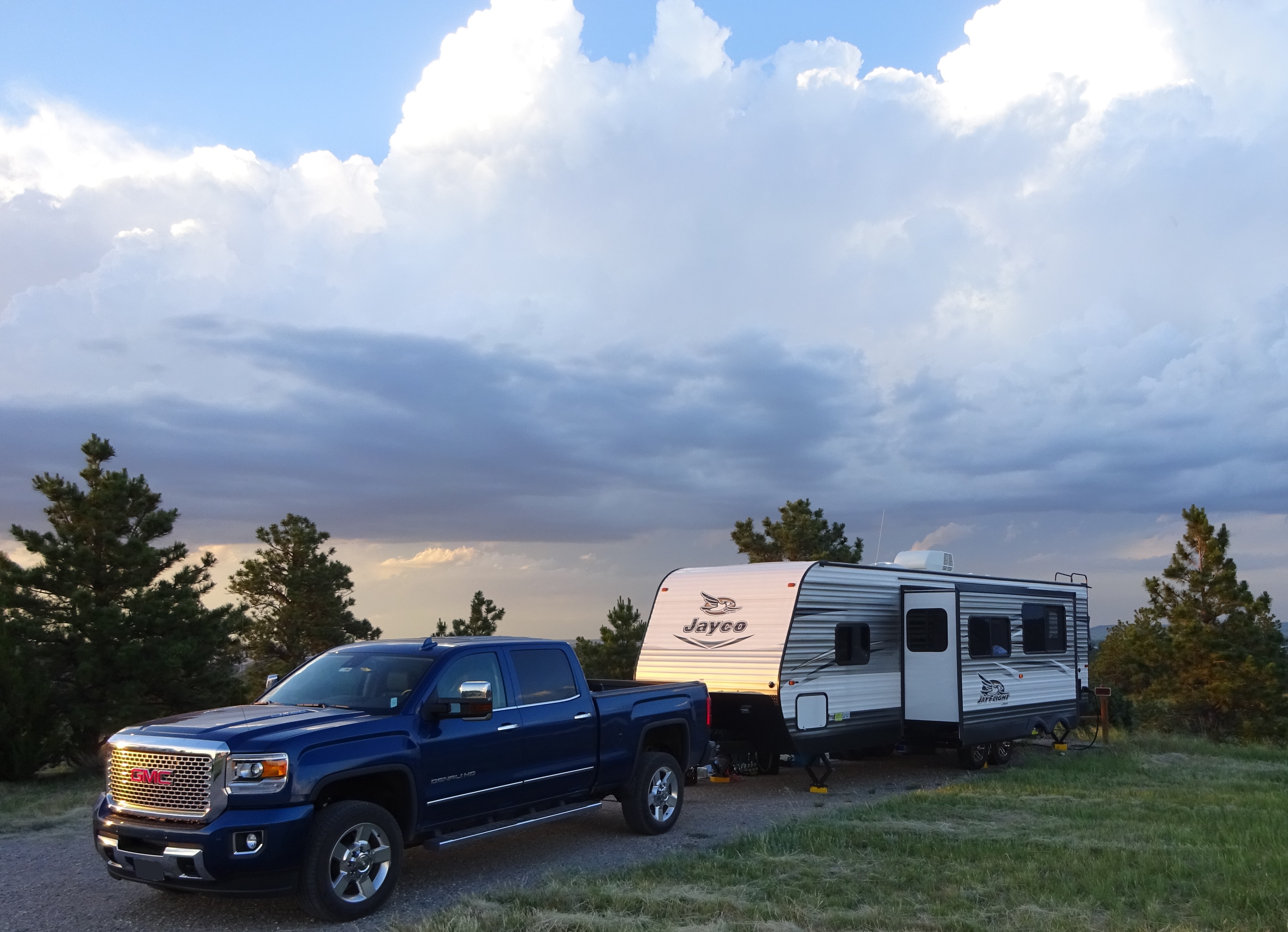
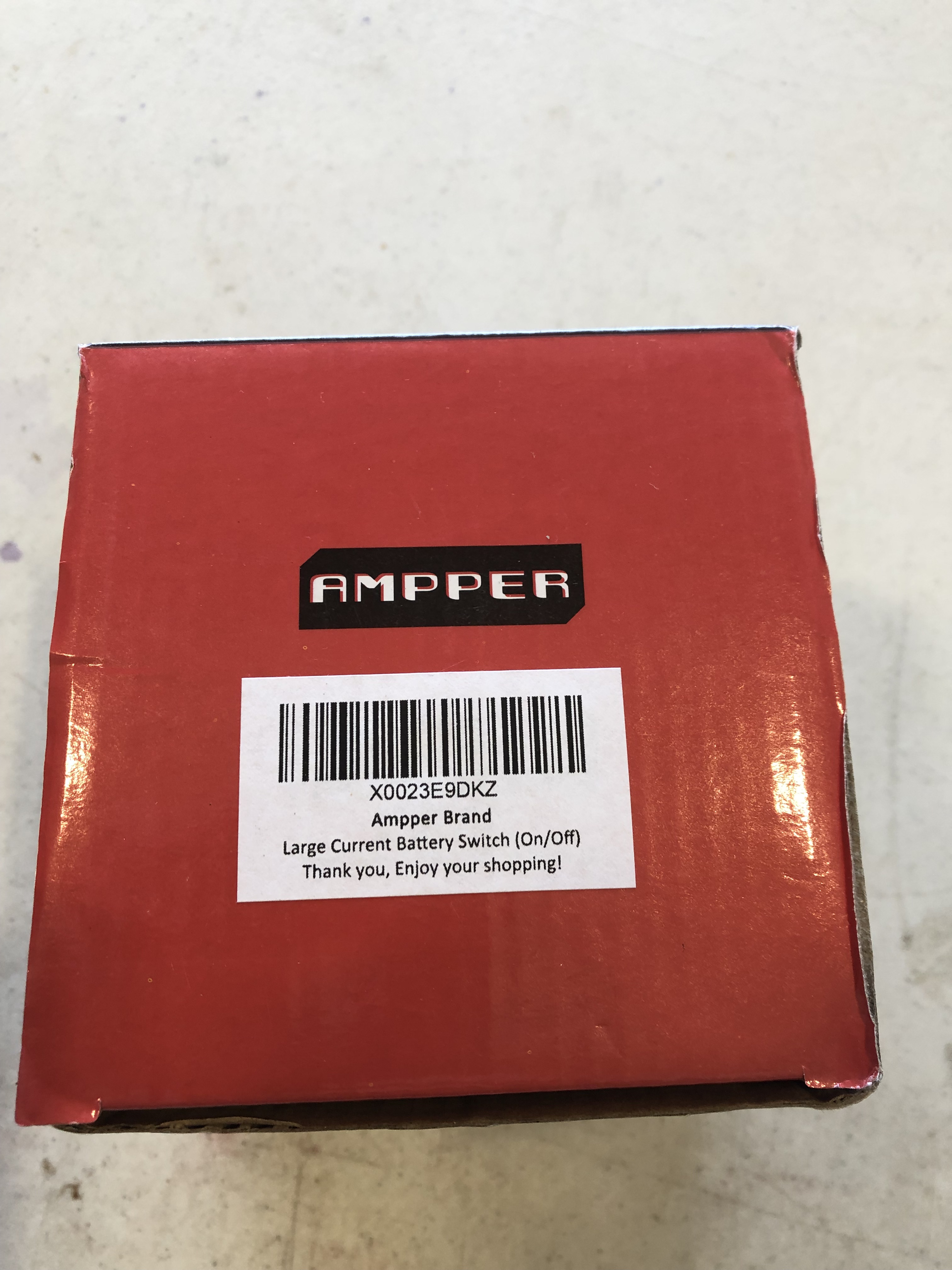
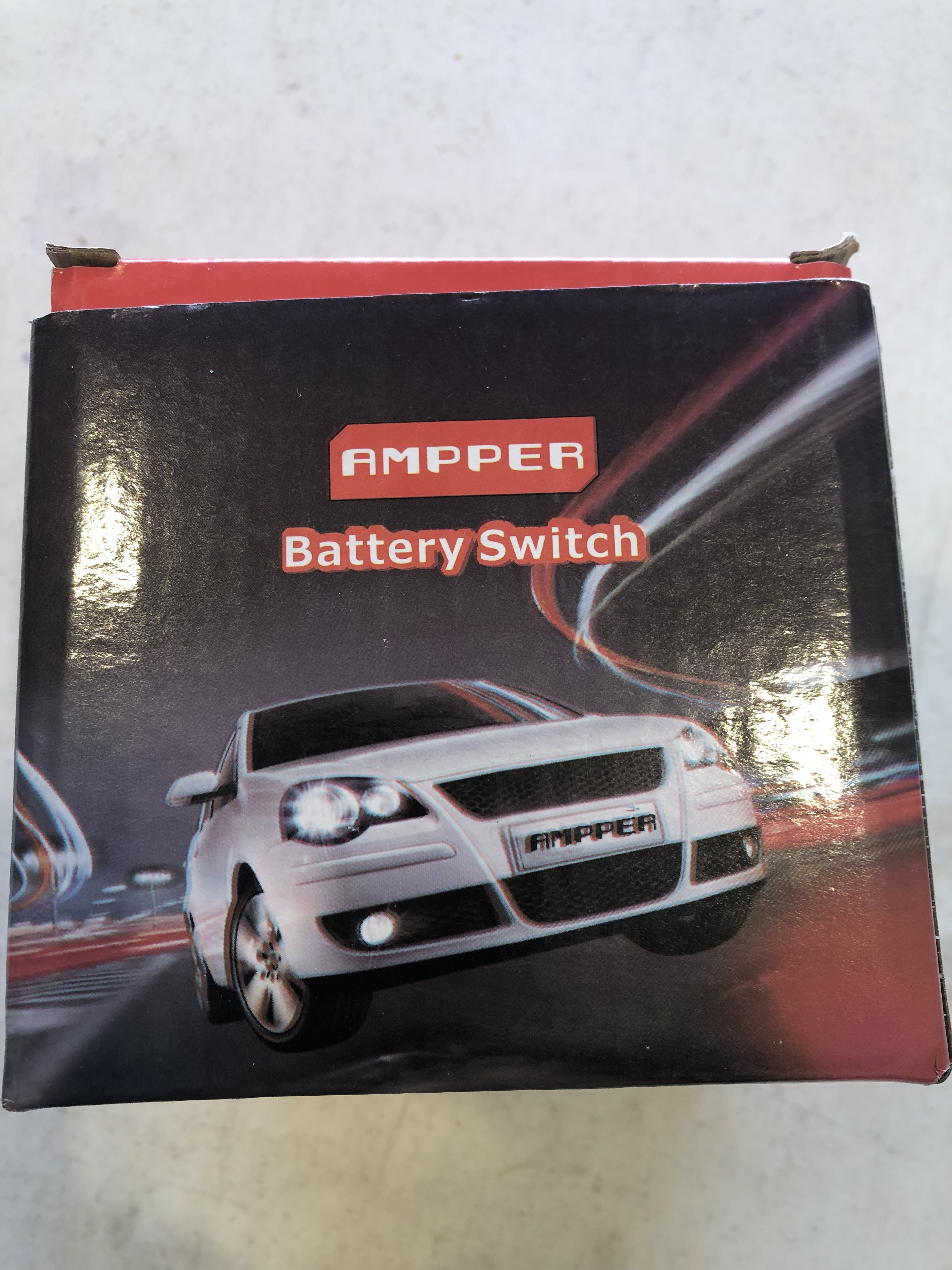
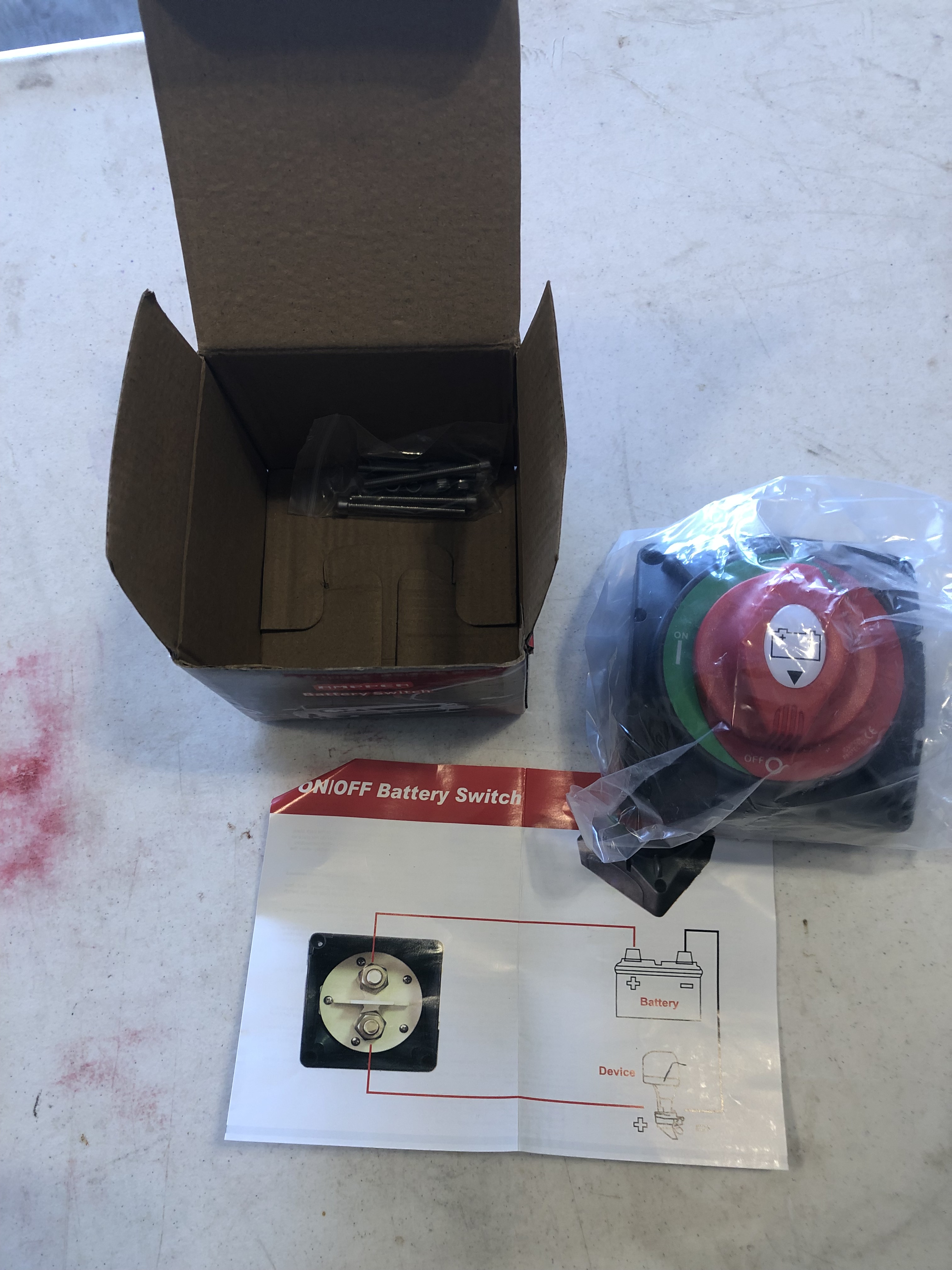
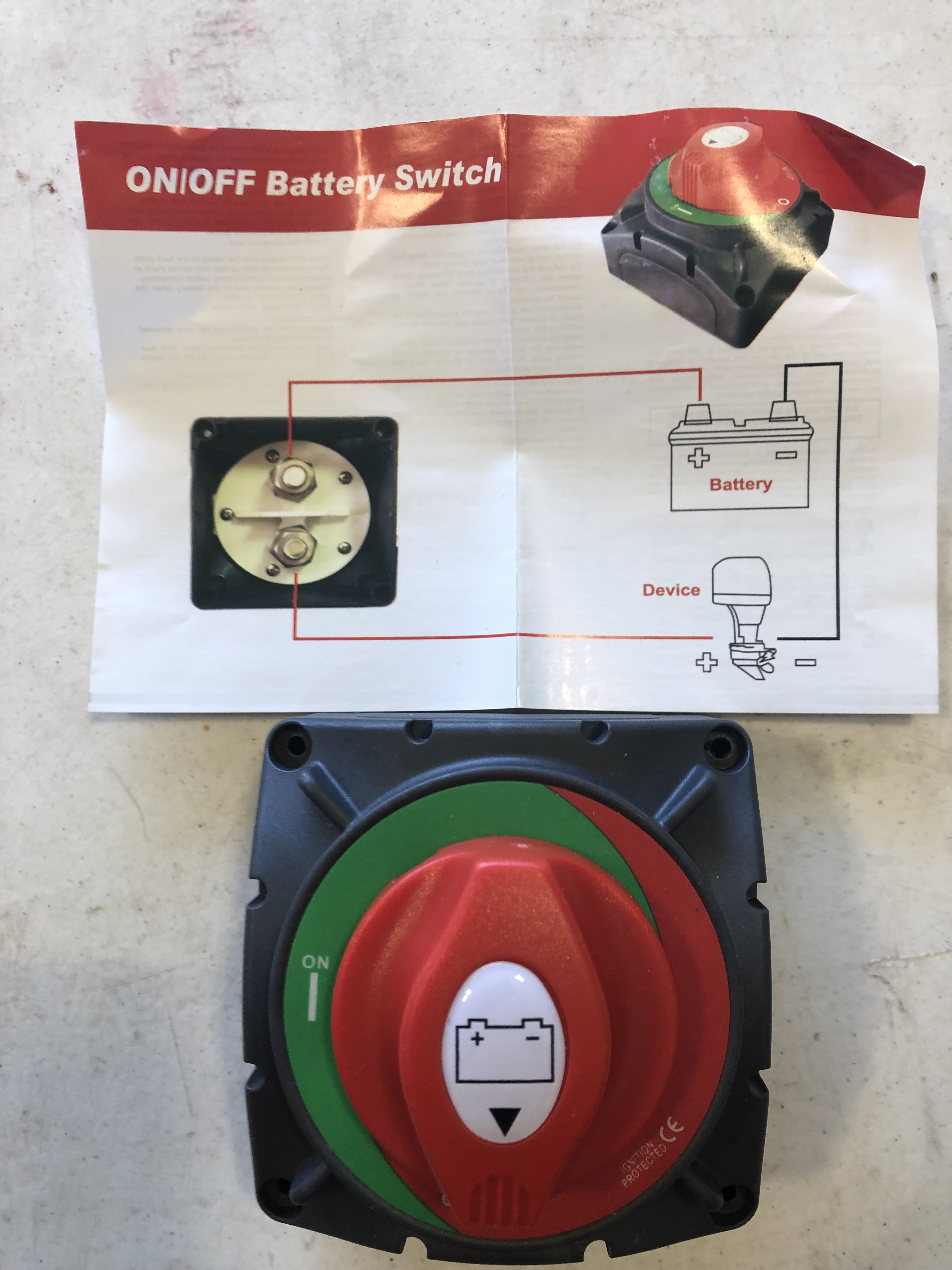
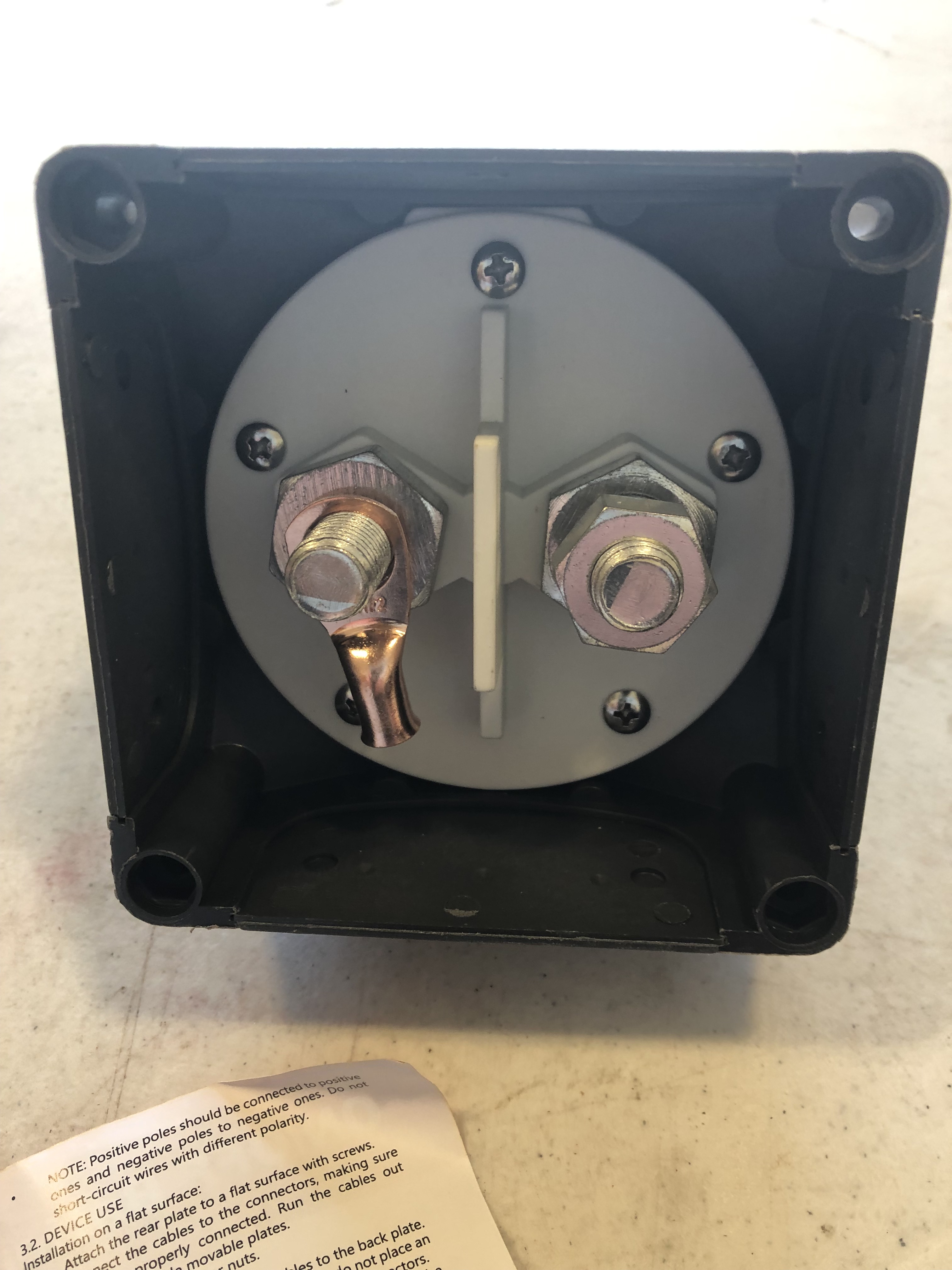
@sowewentdad chose the Ampper High Current Battery Disconnect Switch for installation on our Jayco 28BHBE trailer. My choice battery disconnect switch choice was driven by two things:
- Availability
- Uncertainty about the current carrying capacity needed
Availability was driven because the batteries were installed after dewinterizing the trailer in the spring. Potential freezing weather and @sowewentdads impending cochlear implant surgery raised questions if the batteries were going to be maintained properly over the next couple of weeks. @sowewentdad could have simply disconnected the batteries, but I wanted to take this pressing opportunity to finally install a battery disconnect switch.
The uncertainty about the current carrying capacity was because I didn’t take the time to look up how much current the trailer could draw. The standard battery disconnect switch can handle hand 275 amps continuous, and the high current battery disconnect switch can handle 600 amps continuous. To be safe, I went with the high current battery disconnect switch for a little over three times the cost.
Since ordering the high current battery disconnect switch, I identified the resettable fuse from the battery to the trailer is only 50 amps. This doesn’t include the trailers electric brakes, but those should only draw about 15-16 amps per brake x 4 brakes totaling 60 – 65 amps (full braking applied). The 275 amp, standard battery disconnect switch has more than enough carrying capacity to support the Jayco 28BHBE travel trailer. If you are buying a battery disconnect switch for your travel trailer or fifth wheel, I recommend the standard battery disconnect switch over the high current battery disconnect switch.
With two batteries installed on our Jayco 28BHBE travel trailer, @sowewentdad thought about installing a 1-2-Both-Off Battery Disconnect Switch. While boondocking, that would allow one battery to be turned on at a time, allowing us to keep a backup battery in reserve. However, this would present challenges in ensuring both batteries were charged and balanced. @sowewentdad was especially concerned if one battery was low or depleted and the other battery was fully charged; switching the 1-2-Both-Off Battery Disconnect Switch to both would result in a high current discharge from the charged battery to the discharged battery causing damage to both batteries. The limited advantage of this configuration was far outweighed by the high likelihood of damaging $500 of batteries with one mistake.
While @SoWeWentDad is very satisfied with the Ampper High Current Battery Disconnect Switch, in hindsight I recommend the standard Ampper Battery Disconnect Switch. The standard Ampper Battery Disconnect Switch has more than sufficient current carrying capacity to support the trailer at one third the cost.
I wish I had listened to @sowewentuncle and installed the battery disconnect switch during the first season, it would have saved a lot of time maintaining the batteries with a generator over the years. For a new trailer, a battery disconnect switch will be one of the first things I install if it is not included.
@sowewentdad
Please take a moment to follow us on Twitter, Facebook, WordPress, or Instagram to hear more from So We Went to The RV Show:
Or subscribe to receive email updates:
So We Went to the RV Show Blog contains affiliate links. By purchasing through these links, we get a small commission at no additional cost to you. As an Amazon Associate So We Went to The RV Show earns money from qualifying purchases.
So We Went to the RV Show Blog is not affiliated with Ampper.
 So We Went to The RV Show ...