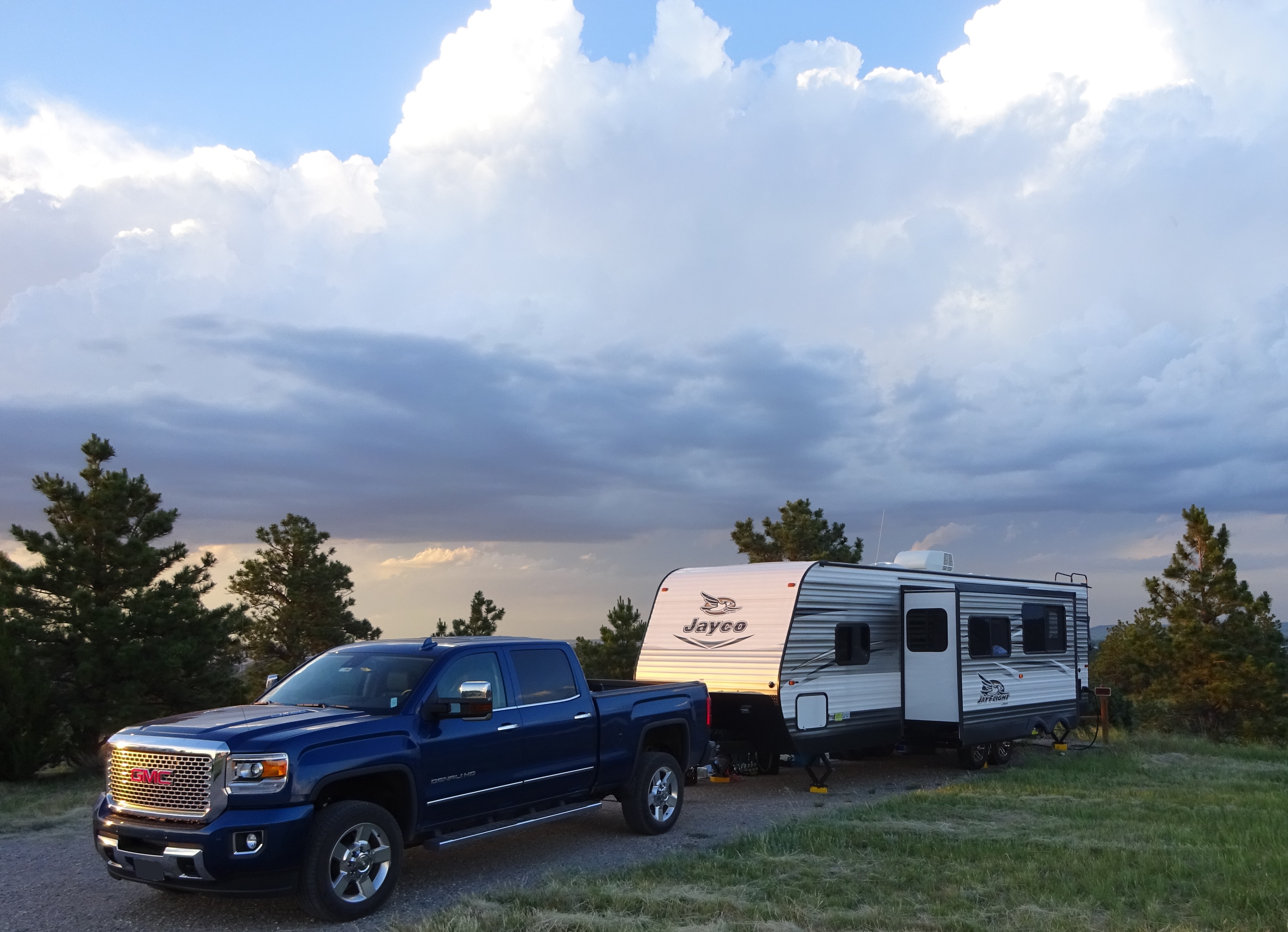
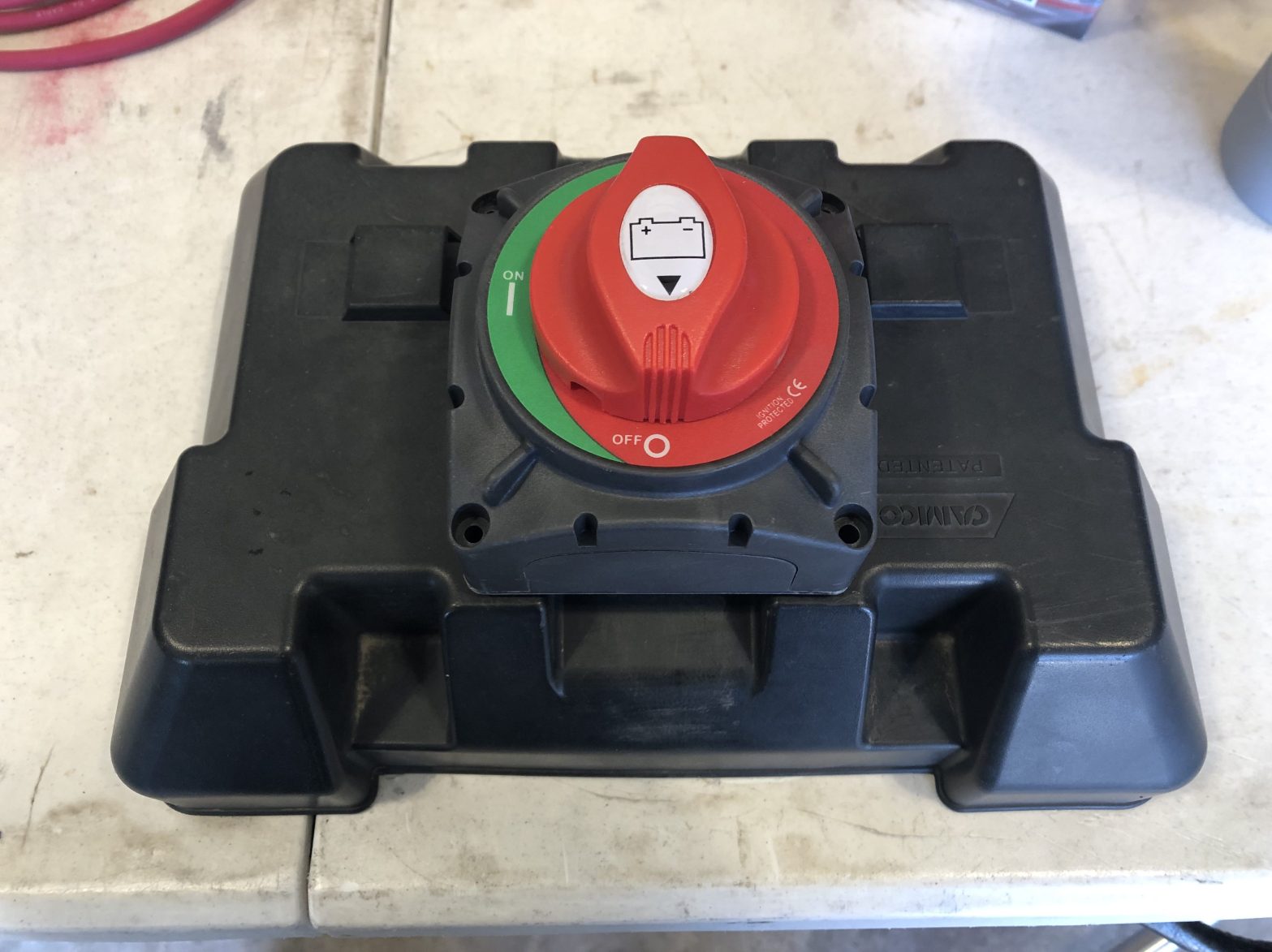
In storage the CO2 detector, radio, and control boards continuously drain the batteries. Using two boat/RV batteries, these vampires would drain the batteries in less than two weeks. Upgrading to Duracell DURCD12-80P AGM batteries extended the time to about 17-21 days. Allowing the batteries to drain below 50% will shorten the life of the battery and, especially if it drops below freezing, can kill them.
During the first couple of seasons, we worked hard to get the trailer out every two weeks. However, as SoWeWentKids have gotten older and have competing activities, this is not practical. When we had to exceed two-week intervals, @sowewentdad would have to go over to the storage unit with the generator and charge the batteries. Since @sowewentdad could work from the trailer, it wasn’t too bad (except that our single generator doesn’t run the air conditioner). All throughout the season, there was always a nagging concern making @sowewentdad keep in mind when the batteries needed to be charged and, especially in the shoulder seasons, will the temperature drop below freezing.
As we have started trading off shorter trips for longer adventures; the intervals between trips have increased. Now we are targeting about one trip per month instead of two and sometimes three. Even though we are out less with the trailer, it has been difficult for @sowewentdad to get over and charge the batteries because of the additional activities with American Heritage Girls and Cub Scouts. Several times @sowewentdad didn’t make it over in time to charge the batteries resulting in them being drained and most likely shortening their life.
I had been hemming and hawing about multiple solutions to this problem:
- Just disconnect the batteries when I know I will not be using the trailer.
- Install a battery disconnect switch.
- Get a solar trickle charger that stays connected at the storage lot.
- Install solar panels to use while boondocking and maintain the batteries while in storage.
Taking the straps off the Camco Battery Box to access the bolted terminals of the Duracell DURCD12-80P AGM batteries was not appealing. That was a lot of work that @sowewentdad didn’t want to do more than once a season when he removes the batteries for the summer.
Installing permanent solar panels on the roof would be great. It would help with boondocking and keep the batteries charged while in storage. However, this is a much more expensive option and I already have a generator for boondocking. Ultimately, not having a plan in place and wanting to have a solution within two weeks before @sowewentdad‘s cochlear implant surgery nixed this idea; for now.
While our Jayco originally came “solar ready”; I feel this is a gimmick from Jayco. “Solar Ready” meant nothing more than adding a short wiring harness from the batteries to a proprietary connector for a solar array manufacturer. This idea being, you buy the proprietary suitcase solar arrays that have to be set up next to the trailer and plug into this proprietary harness. While I have seen some people use these solar arrays at storage units, I didn’t want to have another item I have to set-up and tear down every time I went in and out of storage. Not to mention I removed this “Solar Ready” harness after The Great Meltdown incident.
A third solar option is a Solar Battery Charger and Maintainer. I have used these on sail boats before and they work pretty well. They will easily maintain the batteries while in storage and I have seen a few trailers with these maintainers in the storage lot as well. This would probably be another item that has to be set-up/taken down each time the trailer put in and taken out of storage; although it probably wouldn’t be too hard to permanently mount a panel. However, I noticed these maintainers didn’t fair too well in the wind on the sail boats and I was concerned about well I could mount the maintainer for travelling down the highway at 65 miles per hour.
That left me with the battery disconnect switch. @sowewentuncle recommended installing one of these switches during the first season, but between a fear of modification to the new trailer and being a little overwhelmed with the rest of the trailer life learning curve I put it on the back burner. As mentioned above, our trip cadence was sufficient to keep the batteries charged and the couple of times I had to use my generator between trips wasn’t too bad. Now, after draining the batteries a couple of times during the previous season, @sowewentdad‘s cochlear implant surgery quickly coming up, and a snowstorm coming during the cochlear implant surgery; it was time to install a battery disconnect switch.
Note: I could have just pulled the batteries off to keep the out of the snowstorm; but if I wanted to preserve our upcoming trip soon after the cochlear implant surgery, I had to leave the batteries on because I had a lifting constraint for the first couple of weeks after the surgery.
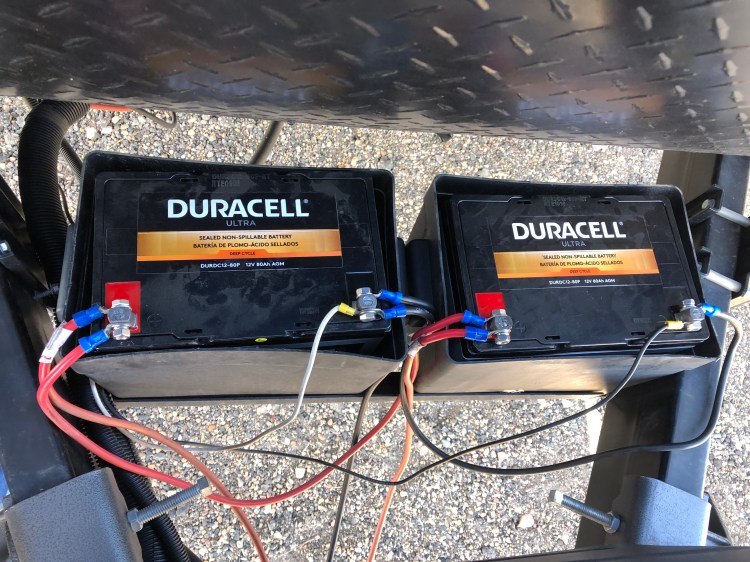
After a search on Amazon, I decided on two different battery disconnect switches:
I originally wanted the Blue Sea Systems Battery Switch On/Off AFD. This switch looked like the best for water proofing and durability. However, I was impatient and wanted a switch before for the upcoming weekend so I compromised with the Nilight – 9001BA Heavy Duty Battery Power Disconnect.
I decided to go with the High Current Battery Disconnect Switch because I wasn’t sure how much amperage was needed to go through the switch. However, after I had the switch installed, I did some quick math (and looked at the other fuses on the system) and realized the cheaper, lower current Battery Disconnect Switch is more than sufficient for a travel trailer. Oh, well at least @sowewentdad got off his duff and installed a switch.
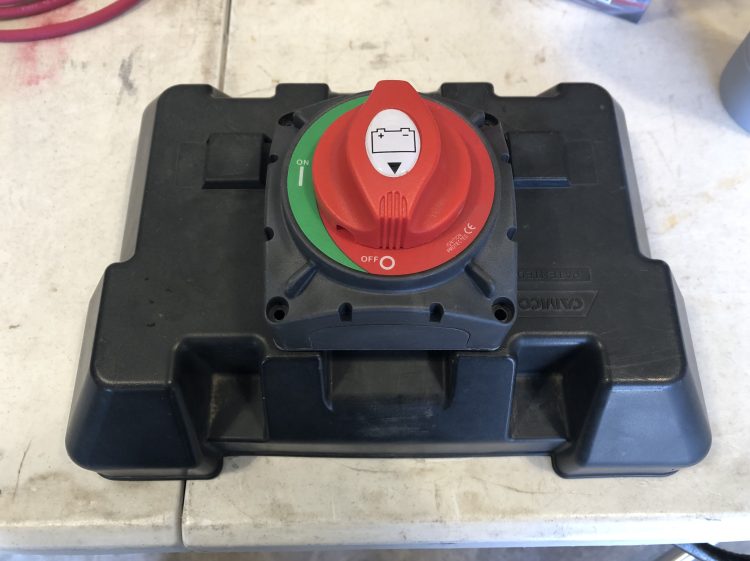
This installation was relatively simple, but it did take @sowewentdad and @sowewentson a couple of hours to complete the work. Here is the link to the SWW Upgrade: Battery Disconnect Switch for step-by-step instructions to install the disconnect switch.
It was a good thing @sowewentdad installed the battery disconnect switch. @sowewentdad needed more than a couple of days of recovery after surgery prior to headed out to Cheyenne Mountain State Park and it was three weeks before taking the trailer out of storage again. Having the disconnect switch installed added a significant piece of mind for the rest of the summer where we several of our trips had 3-4 weeks between them as American Heritage Girls and Cub Scout trips filled in our normal family weekends. It also helped us push well into November for our latest season trip we have taken to date, even with temperatures dropping into the low teens/high single digits just before leaving on our trip. Every time I checked the batteries coming out of storage, they were at full charge.
Note that while the battery was always at full charge, even after a nine week pause before our November trip to Texas; @sowewentdad recommends pulling the batteries off for the winter months. Even an open circuit battery self-discharges over time and will be susceptible to freezing towards the end of the winter. @sowewentdad feels it is better to keep the batteries off the trailer and stored in a moderate climate (above freezing) during the winter.
When looking for our next trailer, I will be checking to see if it comes with a battery disconnect switch. Even if our next trailer comes without a battery disconnect switch installed, this will be a first season upgrade for the trailer. This has made storing the trailer so much easier through the active season.
Please take a moment to follow us on Twitter, Facebook, WordPress, or Instagram to hear more from So We Went to The RV Show:
Or subscribe to receive email updates:
So We Went to the RV Show Blog contains affiliate links. By purchasing through these links, we get a small commission at no additional cost to you. As an Amazon Associate So We Went to The RV Show earns money from qualifying purchases.
So We Went to the RV Show Blog is not affiliated with Duracell or Camco.
@sowewentdad and @sowewentmom are registered, volunteer leaders with American Heritage Girls and receives no compensation from American Heritage Girls.
@sowewentdad is a registered, volunteer leader with Cub Scouts and receives no compensation from Boy Scouts of America.

